

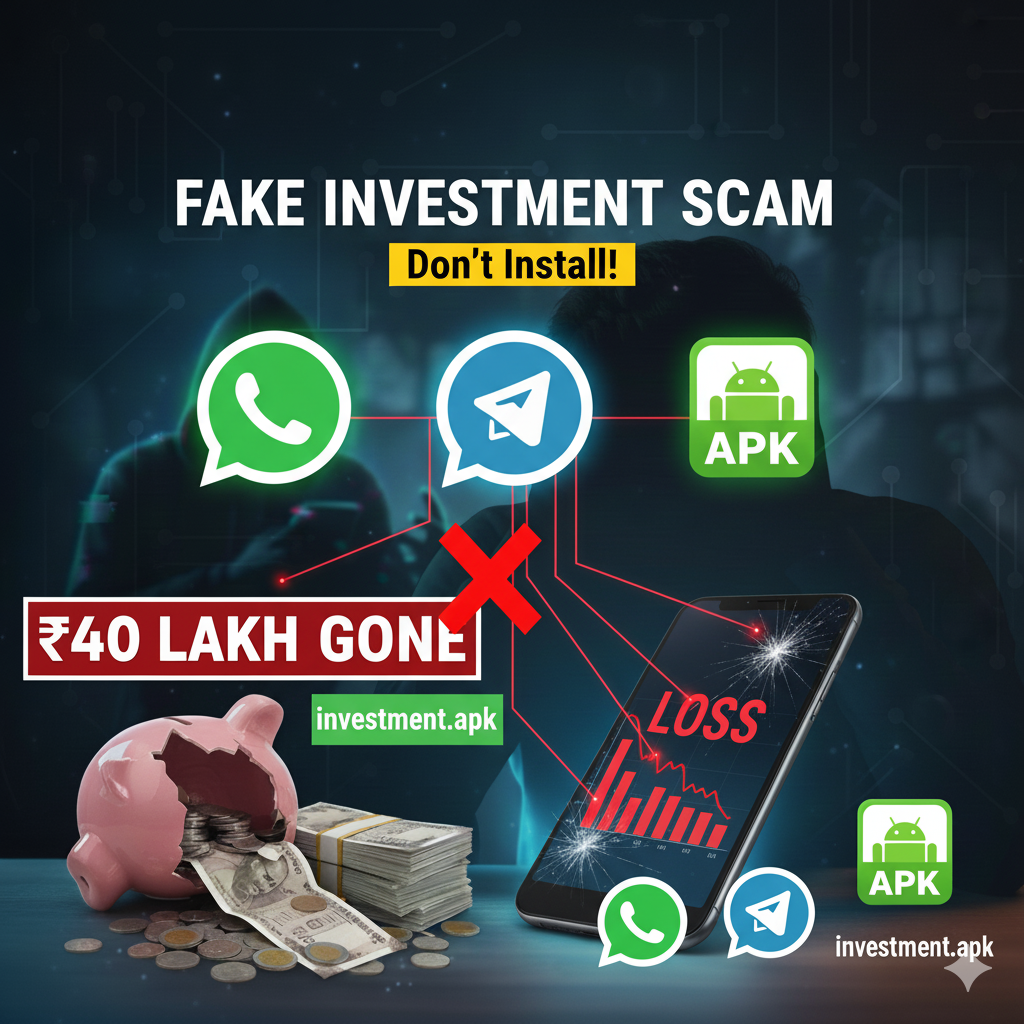
How I Lost ₹40 Lakh in a Fake Investment App Scam
My Story: How I Got Scammed
I recently became a victim of an investment scam that cost me nearly ₹40 lakhs.
I follow a lot of Telegram channels for investment ideas and other deals, and in one of those channels, I came across a link to download an APK file of an app named “Kotak ProApp.” Since the app looked professional and carried the name of a reputed financial institution, it appeared convincing, and I did not doubt its authenticity before installing it. The Telegram channel was filled with people sharing supposed success stories and screenshots of massive profits, which further fueled my confidence and interest in investing.
To test the app, I invested ₹1,00,000 in what was shown as a Bajaj company IPO. After the IPO was listed, my portfolio balance increased to ₹1,30,000 as displaye in the app, and I was even able to withdraw the initial ₹1,00,000. This created a false sense of trust.
Encouraged by this success, I invested ₹6,00,000 in another IPO. The portfolio balance increased to around ₹10,00,000, which further convinced me the platform was genuine. It was later revealed that the apparent increase in my portfolio balance was entirely fake.
Soon, I received a WhatsApp call from individuals claiming to be “Kotak ProApp Services.” They convinced me to invest in a larger IPO worth ₹32,00,000. Since I didn’t have sufficient funds, they offered me a loan of ₹10,00,000 and asked me to arrange the remaining ₹22,00,000. Trusting them, I deposited the total amount.
The app then showed that my portfolio value had increased to ₹60,00,000. However, when I attempted to withdraw the amount, the transaction failed. Upon contacting the so-called support team, they demanded an additional ₹10,00,000 as a “processing fee” for the withdrawal. I made the payment, but my money was still not released.
That’s when I realized I had been completely defrauded of around ₹40 lakhs..
How This Fraud Happened
This type of fraud is known as an Investment Scam via Fake Apps. Fraudsters exploit people’s trust in big financial institutions and lure them into depositing large sums. Here’s how it works:
- Fake Applications: Fraudsters circulate fake investment apps through social media or messaging platforms.
- Small Initial Gains: They allow early withdrawals to build trust.
- Large Investment Traps: Victims are encouraged to make huge investments, often with promises of loans or high returns.
- Fake Portfolio Growth: These apps are deliberately designed to display inflated balances and false profits to create a false sense of confidence.
- Withdrawal Blocks: When victims try to withdraw, fraudsters demand additional “fees” and then vanish with the money.
Screenshots & UI — How Real the App Looked
Screenshots of the app is shown to illustrate how convincing the interface was. Below are the UI elements and visual cues that made the app look like any genuine investment platform:
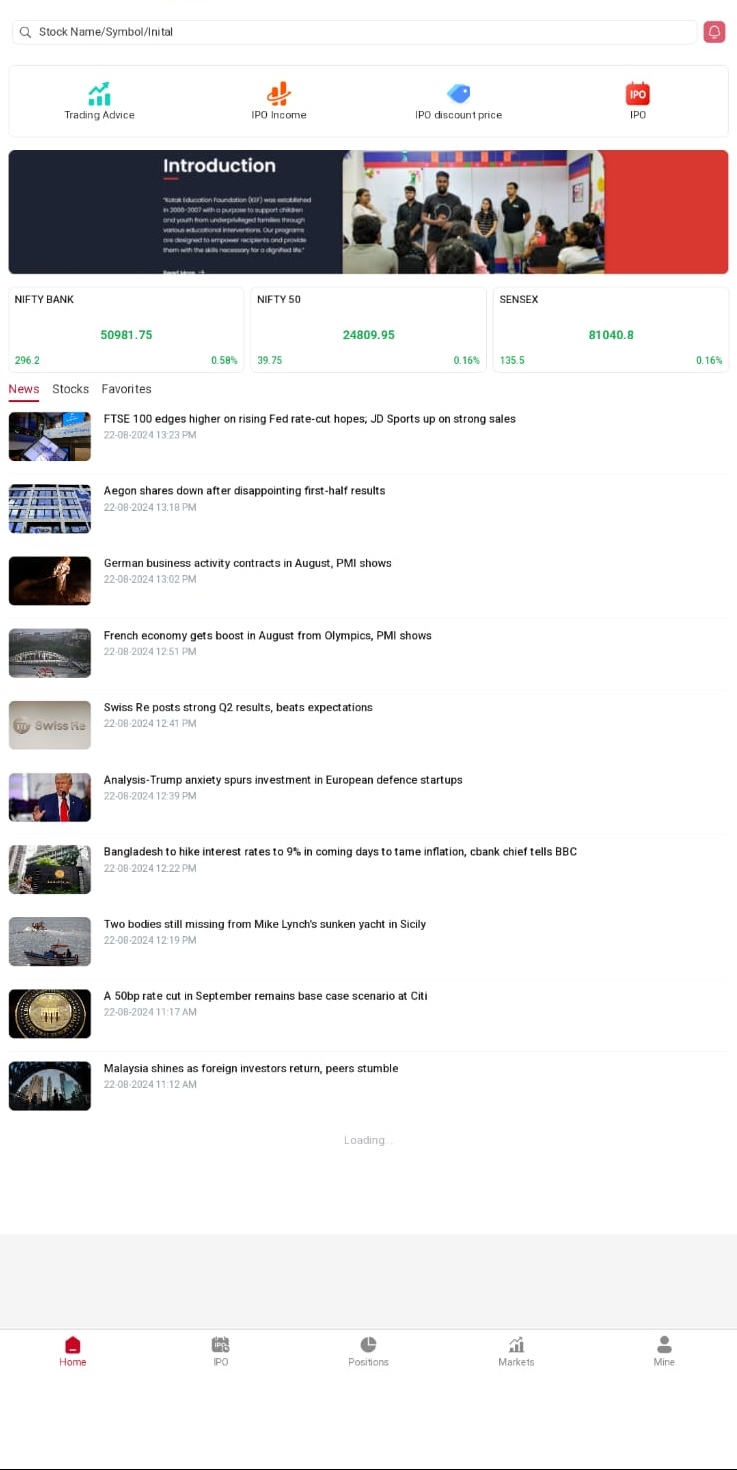
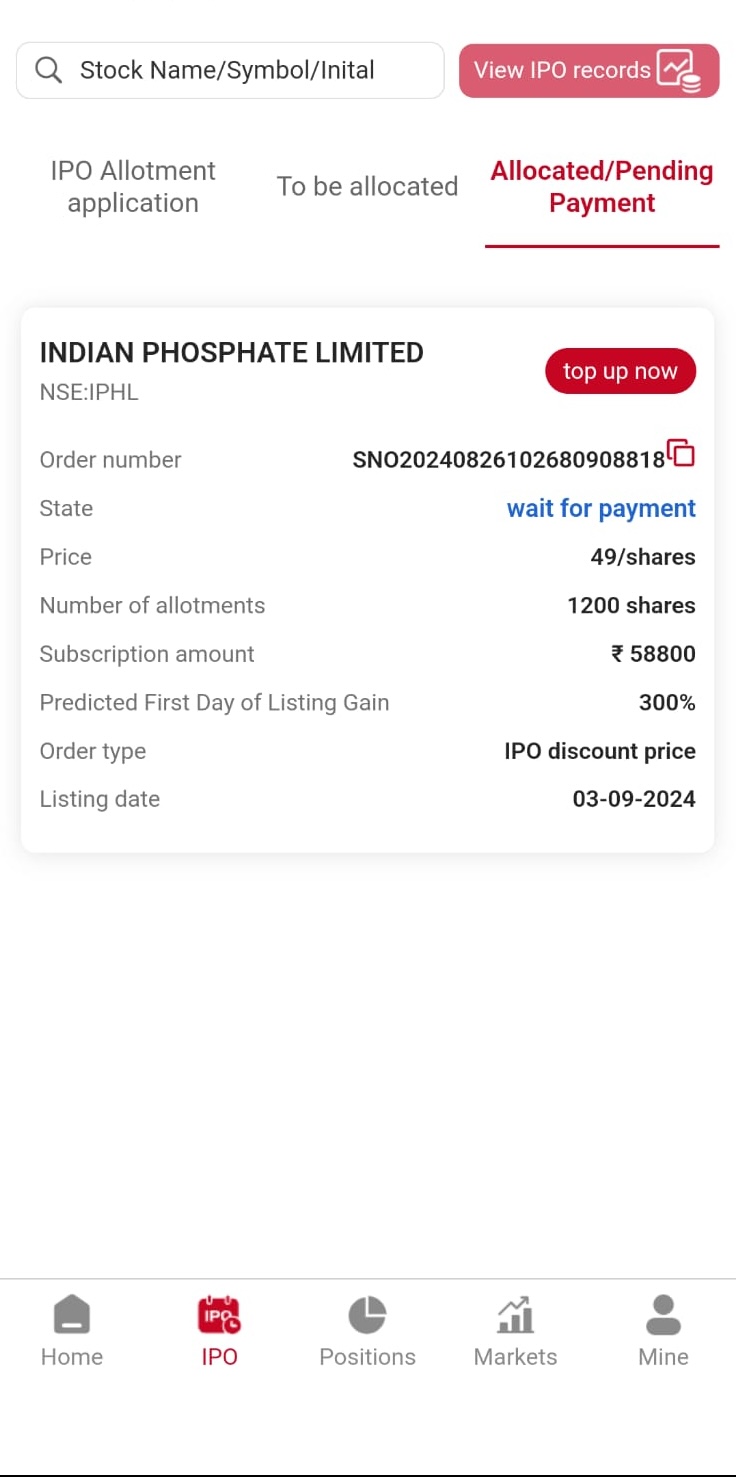
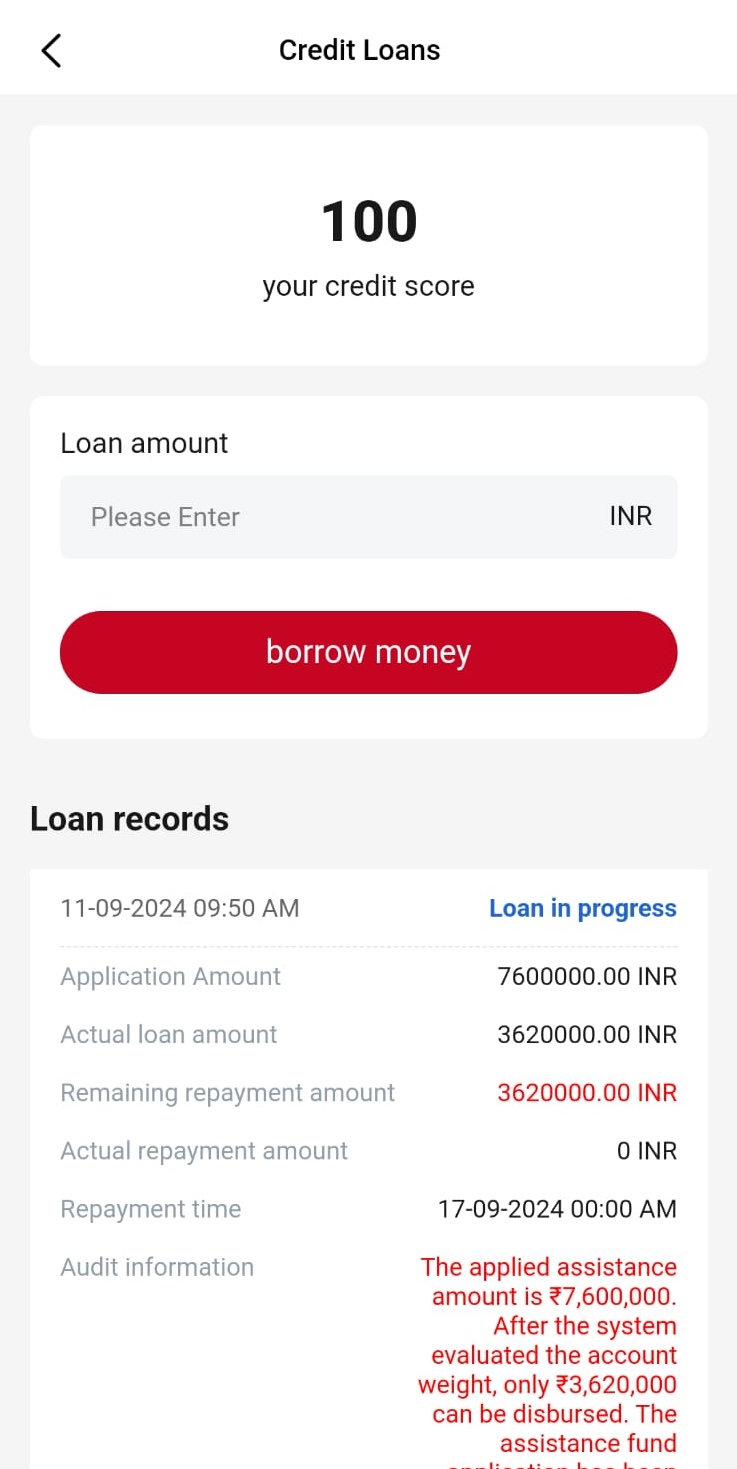
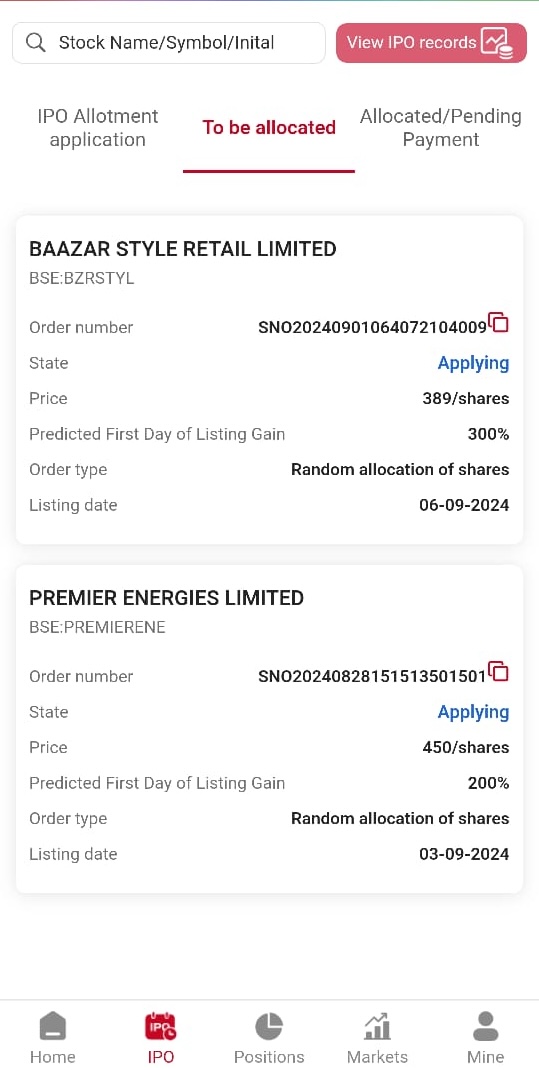
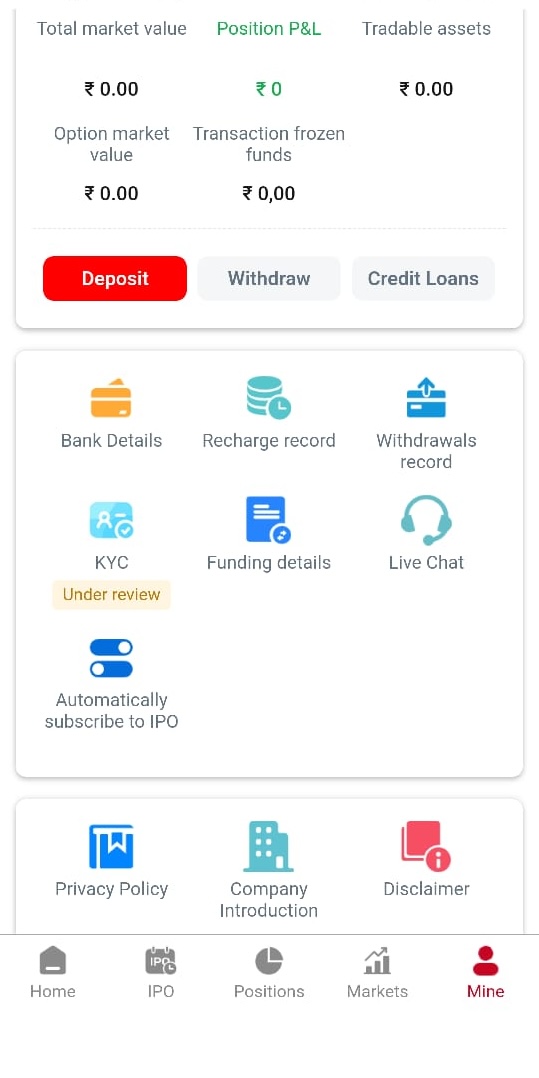
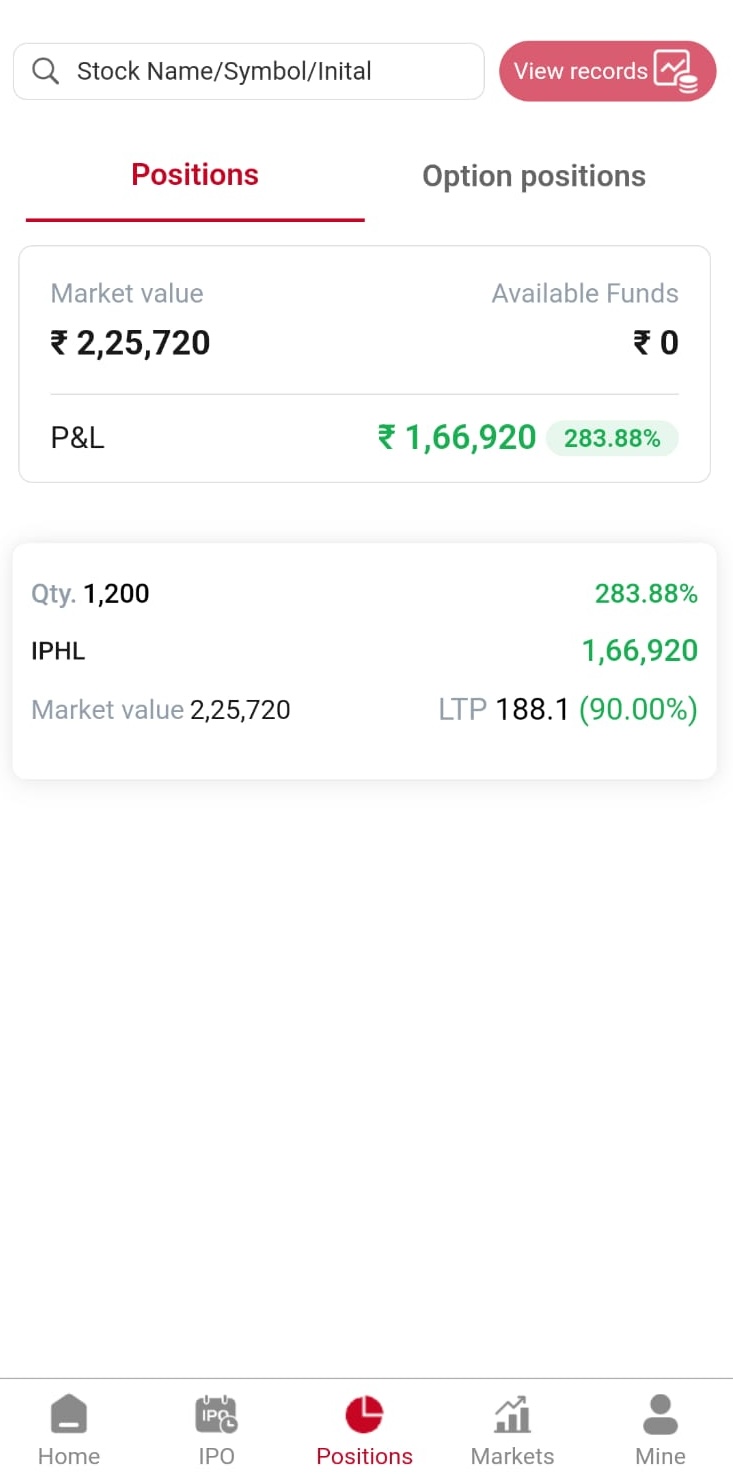
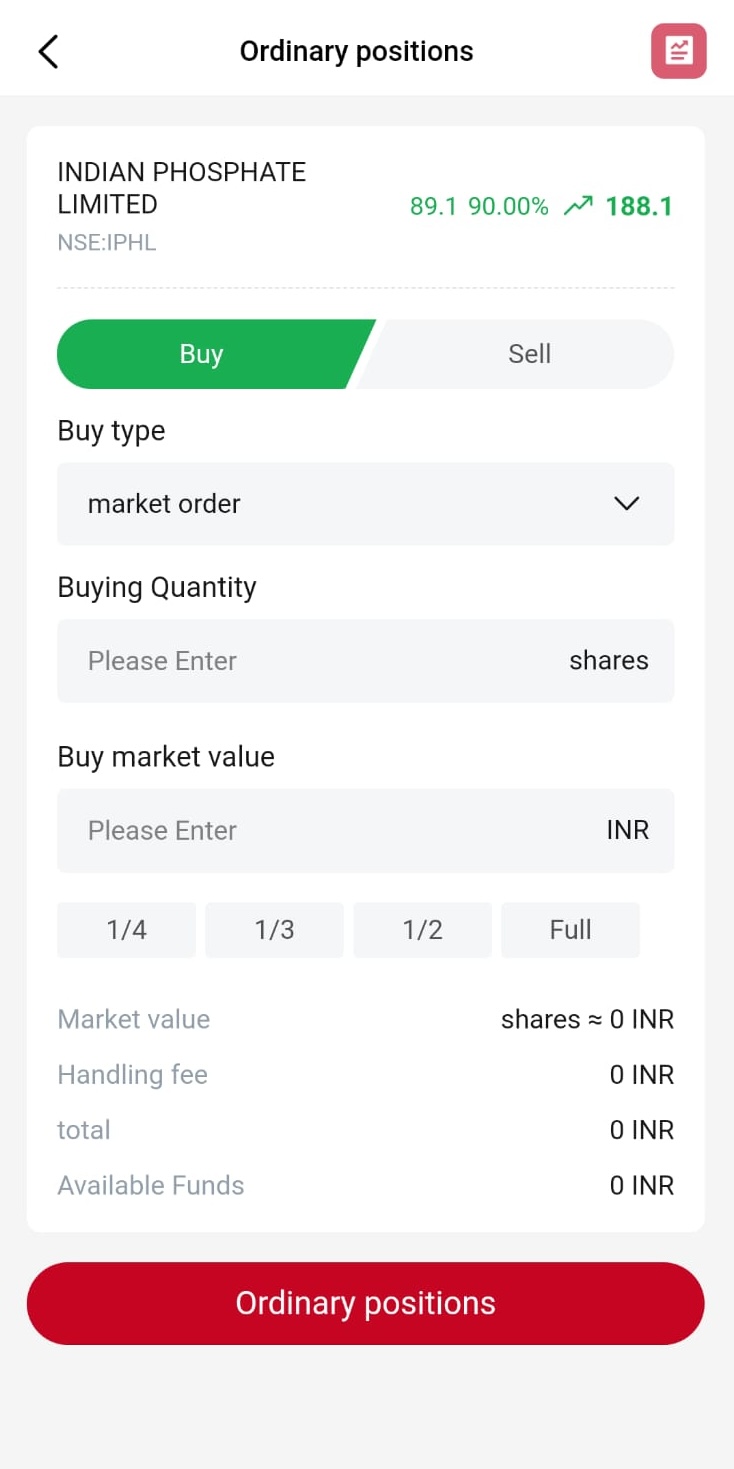
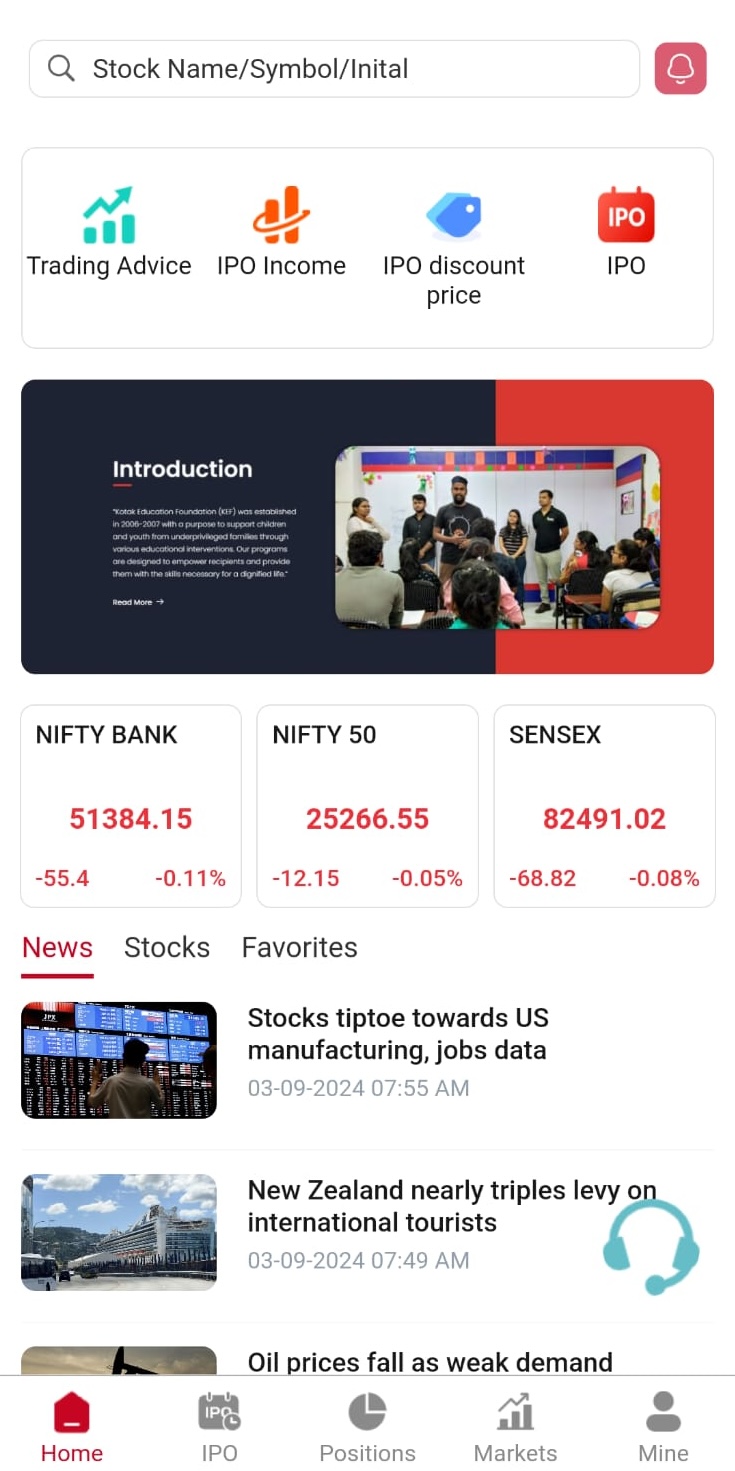
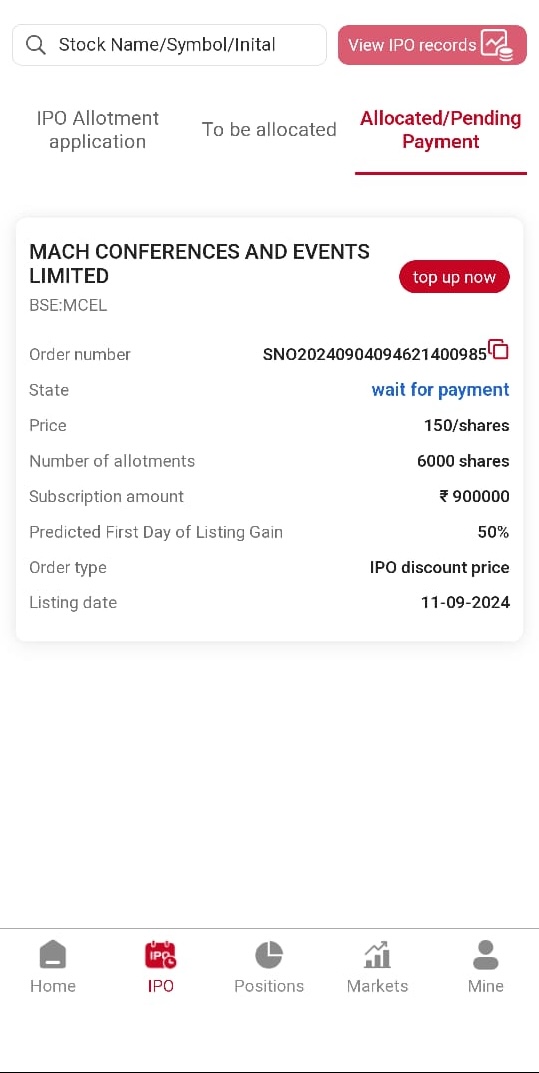
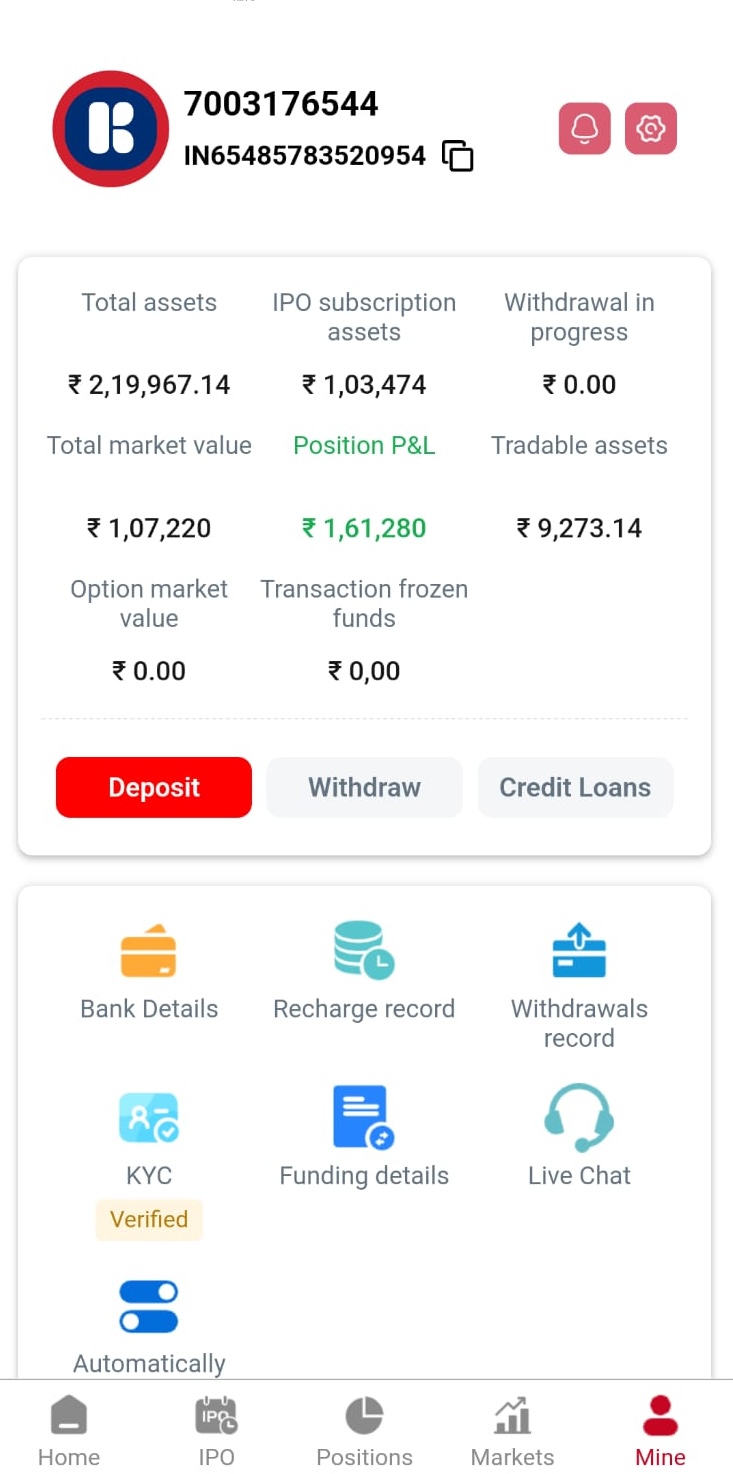
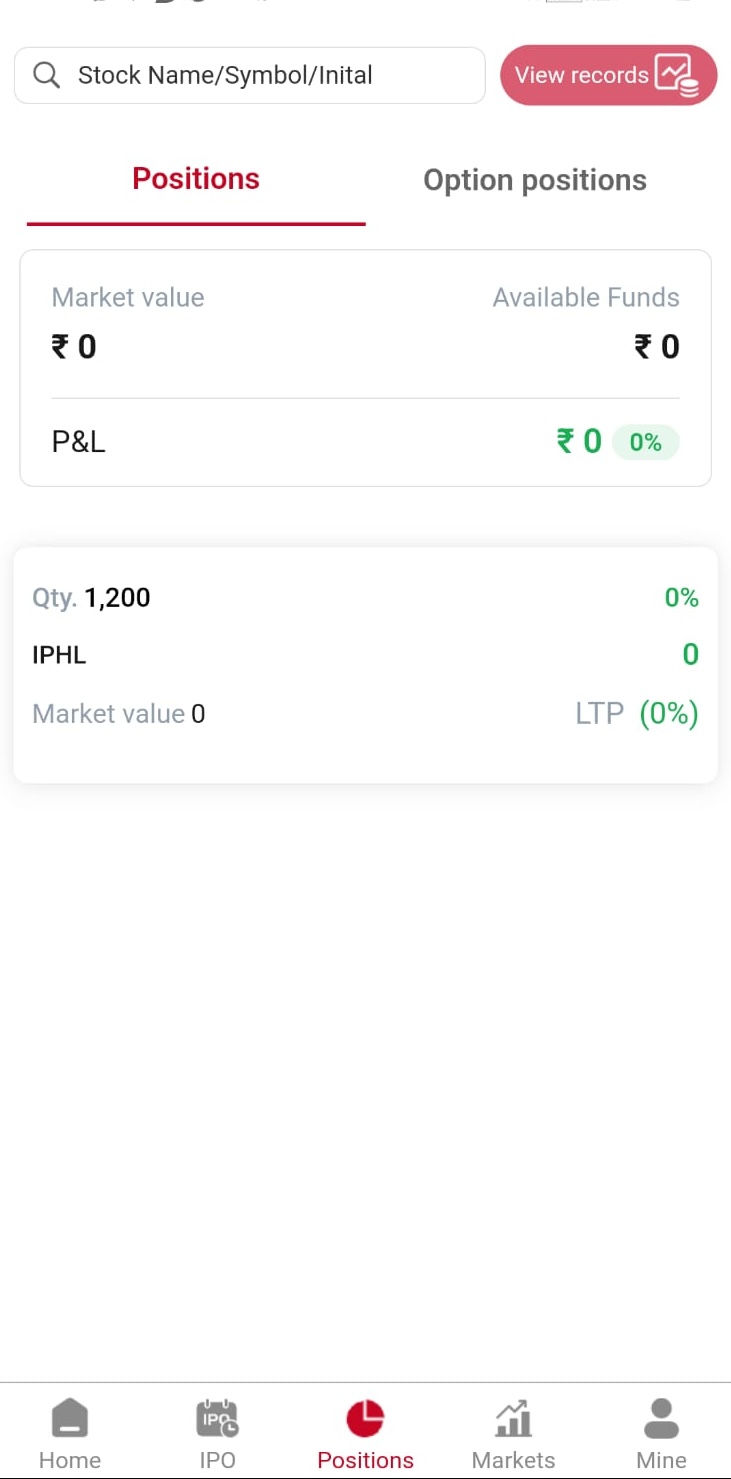
- Green profit figures: Gains and returns were displayed in green with positive percentages — a classic UI cue that signals profit and happiness.
- Polished GUI: Clean layout, professional typography, intuitive icons, and smooth menus gave the app a modern, trustworthy appearance.
- Upcoming IPOs section: A tab listing upcoming IPOs with company logos, dates, and subscription details just like real broker apps.
- Market news feed: A scrolling market-news panel showing headlines, analyst notes, and market movers that created an illusion of real-time data.
- All your positions: A portfolio screen listing holdings, buy price, current price, unrealized P/L — formatted and summarized the way legitimate apps do.
- Order placement mechanism: A familiar buy/sell flow with quantity, limit/market options, order confirmation dialogs and success toasts — making it feel operational.
- Withdrawal & transaction screens: Dedicated withdrawal UI showing current balance, withdrawal limits, and pending withdrawal status — which later turned out to be fake.
- Verification badges & support chat: Fake “verified” badges, support chat windows, and FAQ sections that reinforced perceived legitimacy.
Why this is dangerous: Screenshots and a high-quality UI are deliberately used by fraudsters to lower suspicion. When an app looks like a real broker — green profits, news tickers, IPO lists — it becomes emotionally convincing. Visual polish + small real withdrawals = trust, and trust = larger deposits.
Warning Signs: When to Exercise Caution
- 🔴 Unverified Apps: Downloading apps from Telegram, WhatsApp, or third-party links instead of official app stores.
- 🔴 Unrealistic Returns: Promises of high returns in a short span of time.
- 🔴 Loan Warning: No platform or financial institution will offer you a loan without a formal process. Any unsolicited offer of a loan via an app or messaging platform should be treated as suspicious.
- 🔴 Pressure to Invest More: Fraudsters urging victims to deposit larger and larger amounts.
- 🔴 Unusual Payment Requests: Demands for “processing fees” or “security deposits” to release funds.
How to Prevent Such Fraud
- Download Only from Official Stores: Always download apps exclusively from the Google Play Store or Apple App Store. Both Android and iPhone devices have installation from unknown sources disabled by default for security reasons. If an app asks you to change these settings to install from a third-party source (like Telegram, WhatsApp, or random websites), it should be treated as an early warning sign.
Malicious apps downloaded from unofficial sources can create multiple vulnerabilities, such as:
- Stealing sensitive data: They can access passwords, banking information, and personal files.
- Intercepting communications: Some apps can read SMS, emails, or OTPs to authorize fraudulent transactions.
- Installing additional malware: Once installed, they may download other malicious software without your knowledge.
- Remote control risks: Fraudsters can gain control over your device through screen-sharing or remote-access malware.
Always remain cautious and verify the authenticity of an app before making any installation, especially if it involves financial transactions.
- Verify Company Details: Check official bank/financial websites for any investment scheme before investing.
- Be Skeptical of Quick Gains: If an app or platform shows unrealistically high profits, it is likely a scam.
- Never Pay to Withdraw: Genuine investment platforms never ask for extra deposits to process withdrawals.
- Consult Trusted Advisors: Always cross-check investment opportunities with financial advisors or through official company channels.
- Report Immediately: In case of fraud, lodge a complaint on cybercrime.gov.in or call the Cyber Crime Helpline at 1930 without delay.
Awareness Note:
By reporting the incident to the police, a portion of the amount, approximately ₹7,00,000, was recovered. However, it is important to note that recovering defrauded funds becomes increasingly difficult, as fraudsters typically withdraw the money immediately using complex layering techniques.
Fraudsters are using fake investment apps to lure people with promises of high IPO returns and portfolio gains. This case shows how even seemingly successful initial trades can be part of a bigger trap.
Stay alert. Stay safe.